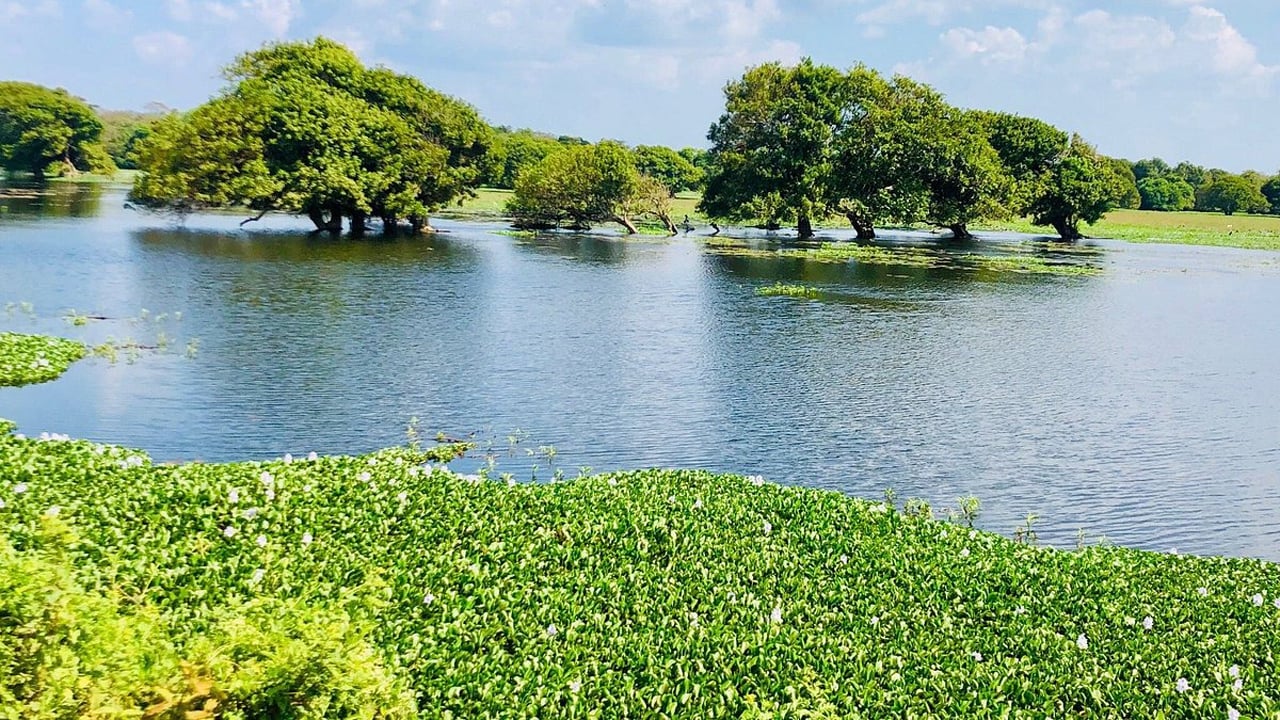
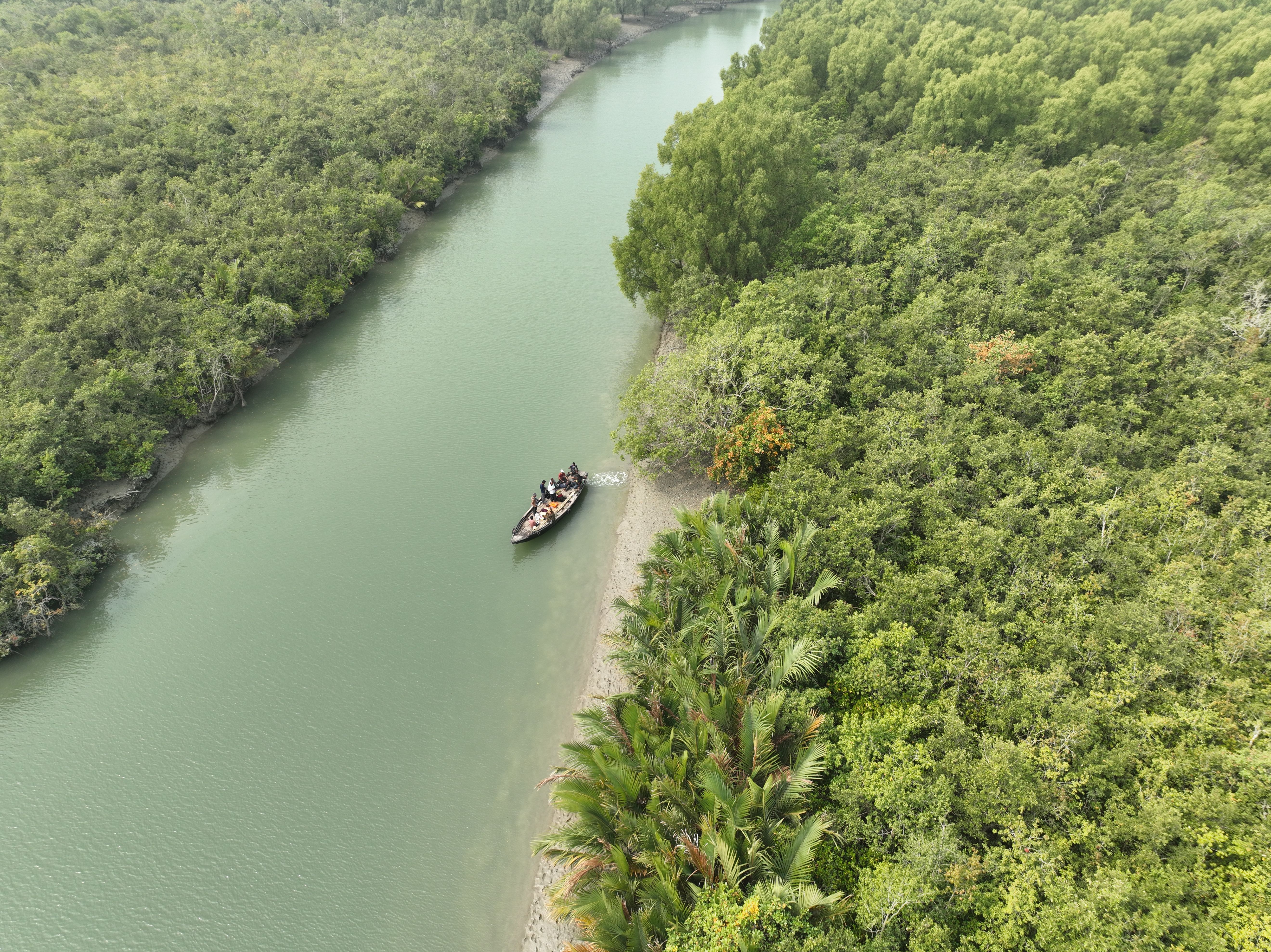
Madu Ganga is a real, working river at Koggala on Sri Lanka's south coast — the same water Martin Wickramasinghe used as the setting for his 1947 novel Madol Doova. It's been a Ramsar-listed wetland since 2003. Fourteen kinds of mangrove, a temple older than the tourist trade around it, and a fish spa that still catches people off guard.
Not just another boat ride — this is the real Madu Ganga, the way it's always been
Sri Lanka Tourist Board approved operator with full liability coverage
4 stops, no rushing, up to 12 people — your boat, your pace
Local expert who knows every channel, bird call and story
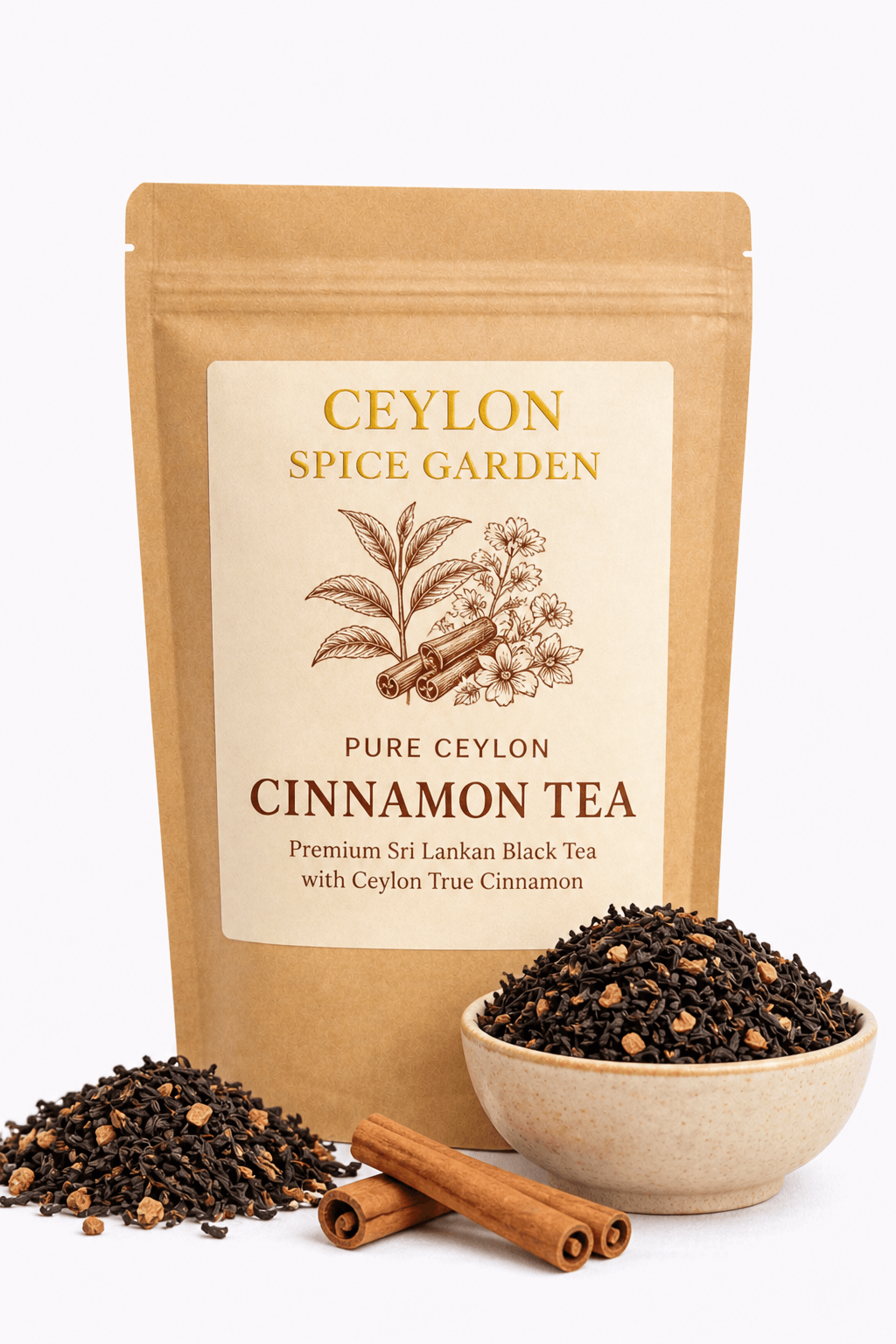
Fresh coconut drink & a flask of Ceylon tea included in your trip
Life jackets for all passengers, shallow calm waters only
Change your date with 24h notice — no questions asked
Timed for the best golden light at every stop along the river
Protected since 2003 — 248+ species in a living ecosystem
In 1947 Martin Wickramasinghe wrote about a boy named Upali who ran off to a river island after a beating from his stepmother. He called it Madol Doova. He didn't invent the place. It's the actual stretch of mangrove islets on the Madu Ganga, off Koggala, and you can still row out there today, same as Upali did in the book.
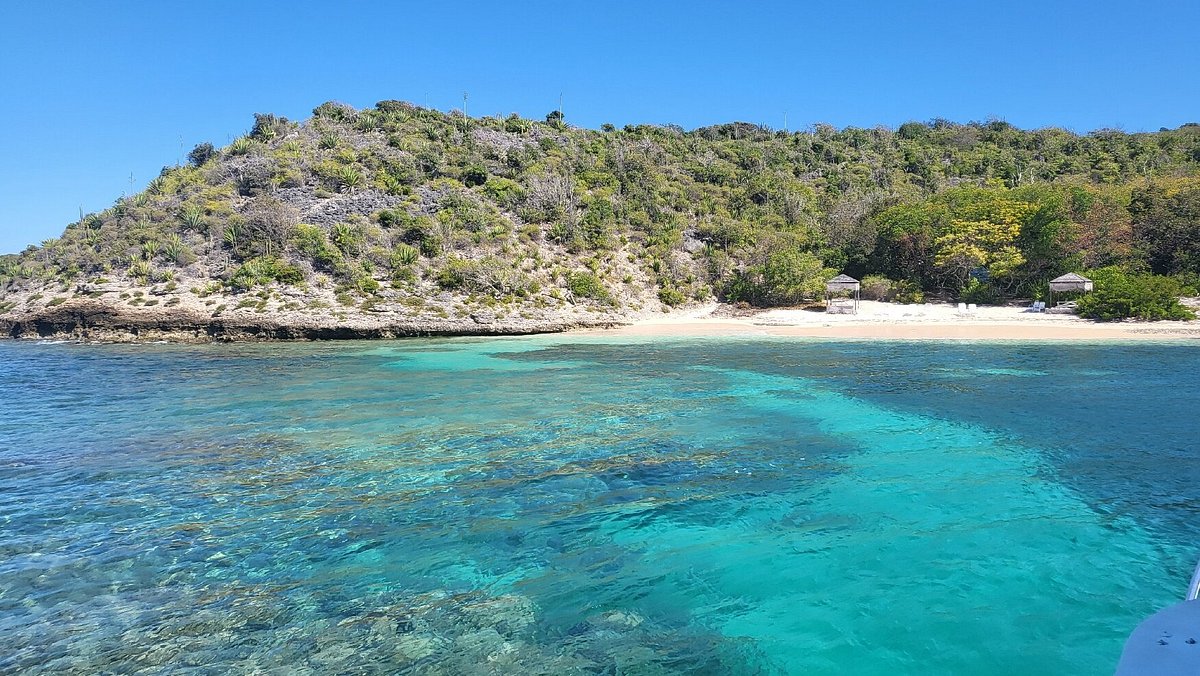
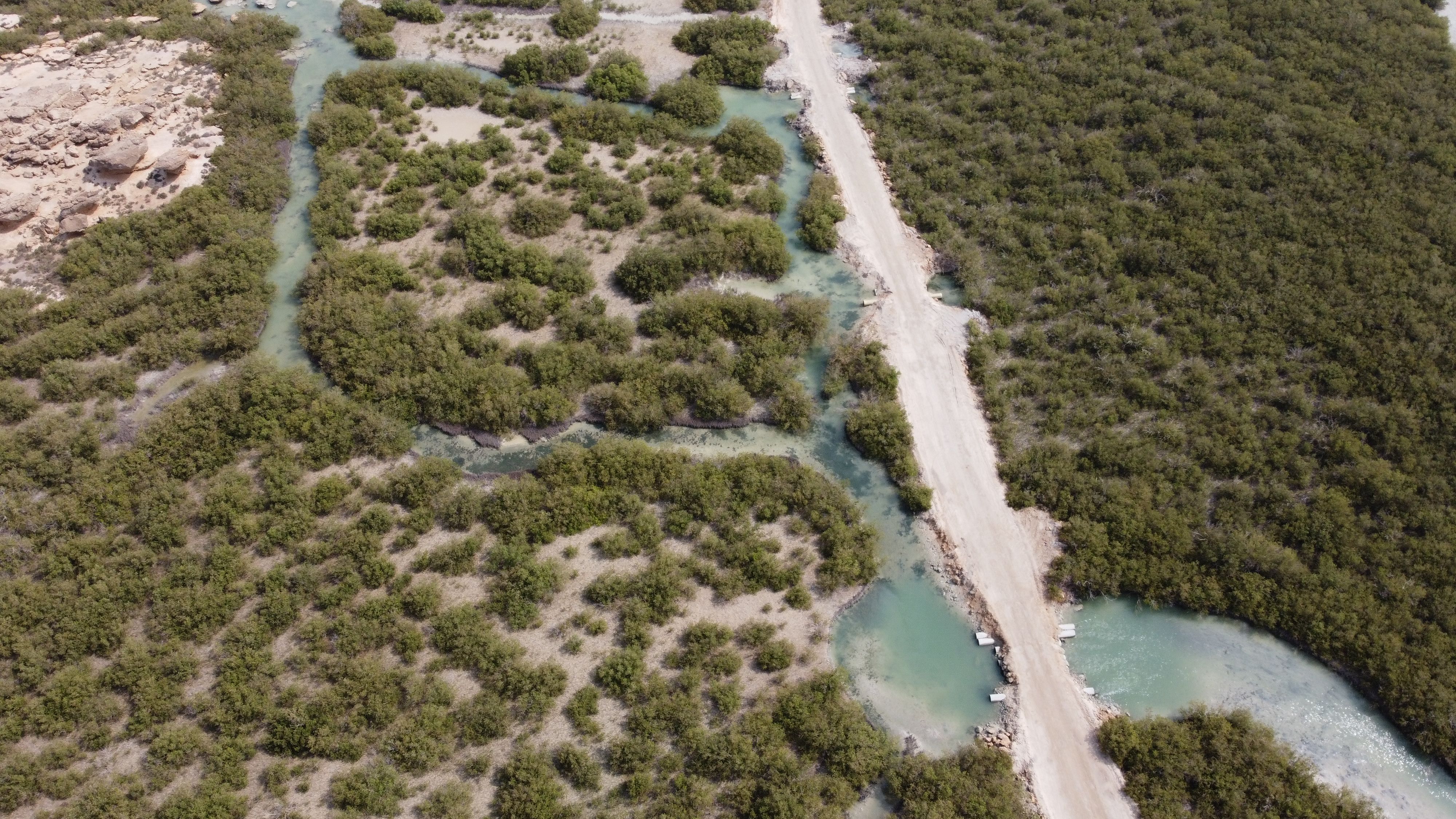
Nobody's dressed this river up for visitors. Old maps counted 64 islands here; the sea and the tides have taken most of them, and about 15 are still worth calling islands, two of them permanently lived on. Fishermen still work hand nets the way their grandfathers did, and the Kothduwa temple on its own islet has been standing since the 1860s, long before any boat operator showed up.
Walk through the route
This is a real rider's video of the Madu Ganga loop: the tunnel, the temple stop, the cinnamon demo. Not a promo reel.
Shot handheld on a regular trip, not staged for a camera crew. The tunnel section starts around the middle of the clip — watch for how low the canopy actually gets.
Every boat runs roughly the same loop, but your boatman will slow down, skip, or linger on a stop depending on the tide and what the animals are doing that morning. This is the order most trips settle into.
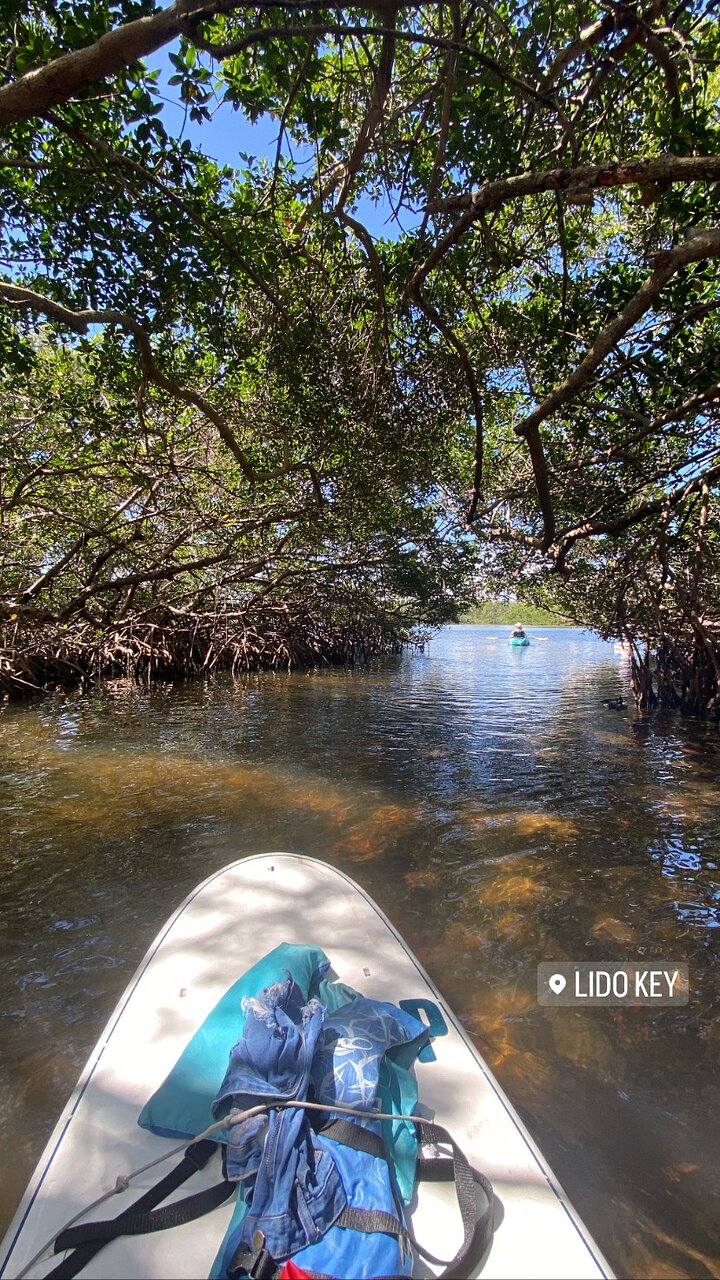
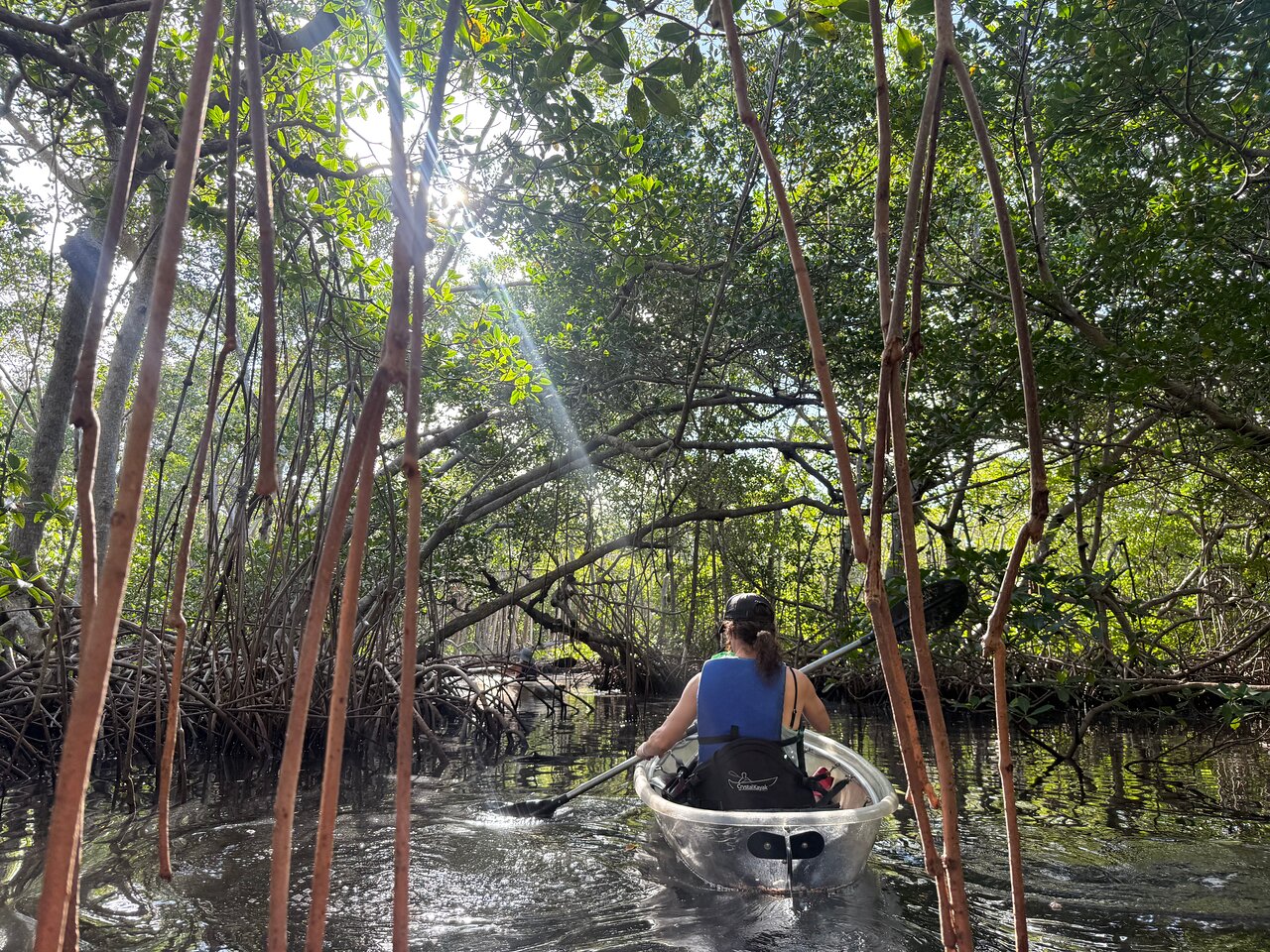
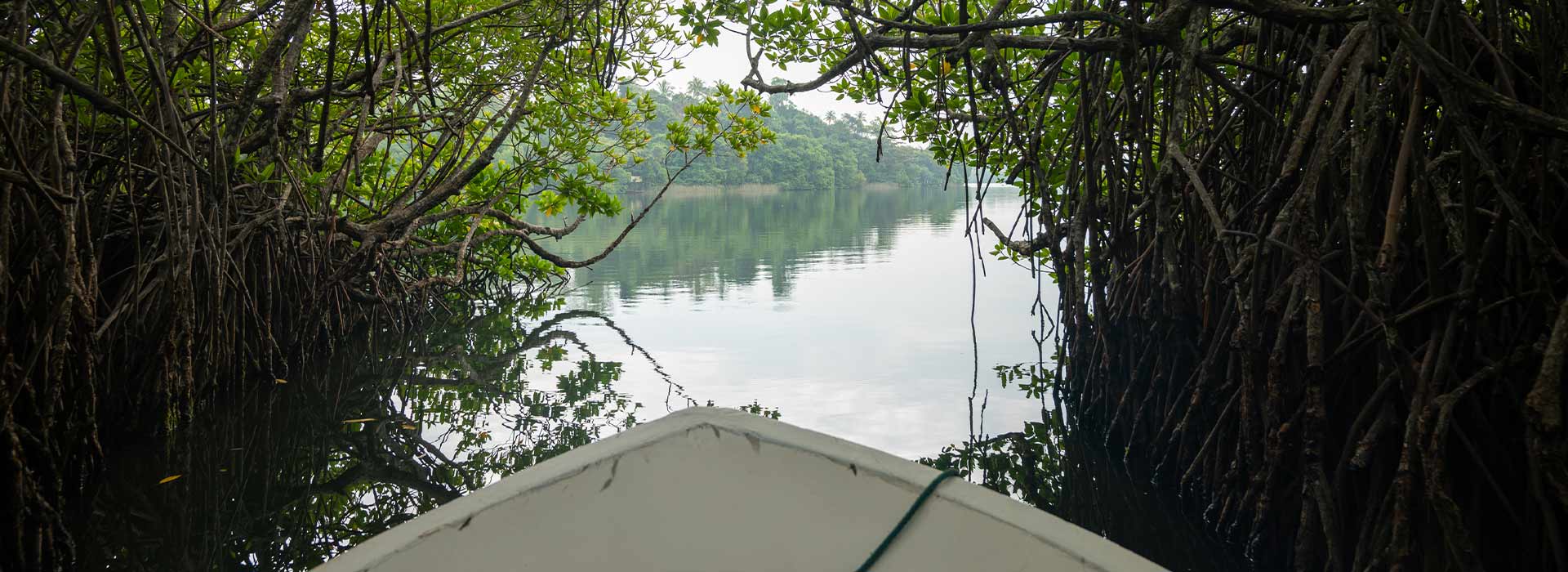
The boatman kills the engine and poles you through a green tunnel barely wider than the hull, one of two or three you'll pass through on the loop. Dim, humid, roots closing in overhead. Only about five minutes, and somehow it's the part everyone brings up first when they're telling you about the trip afterward.

Someone hands you a peeler and shows you how cinnamon bark actually comes off a tree (nothing like the tidy sticks from a supermarket shelf). Koggala families have processed cinnamon this way for generations, and you'll smell like it for the rest of the day, in a good way.

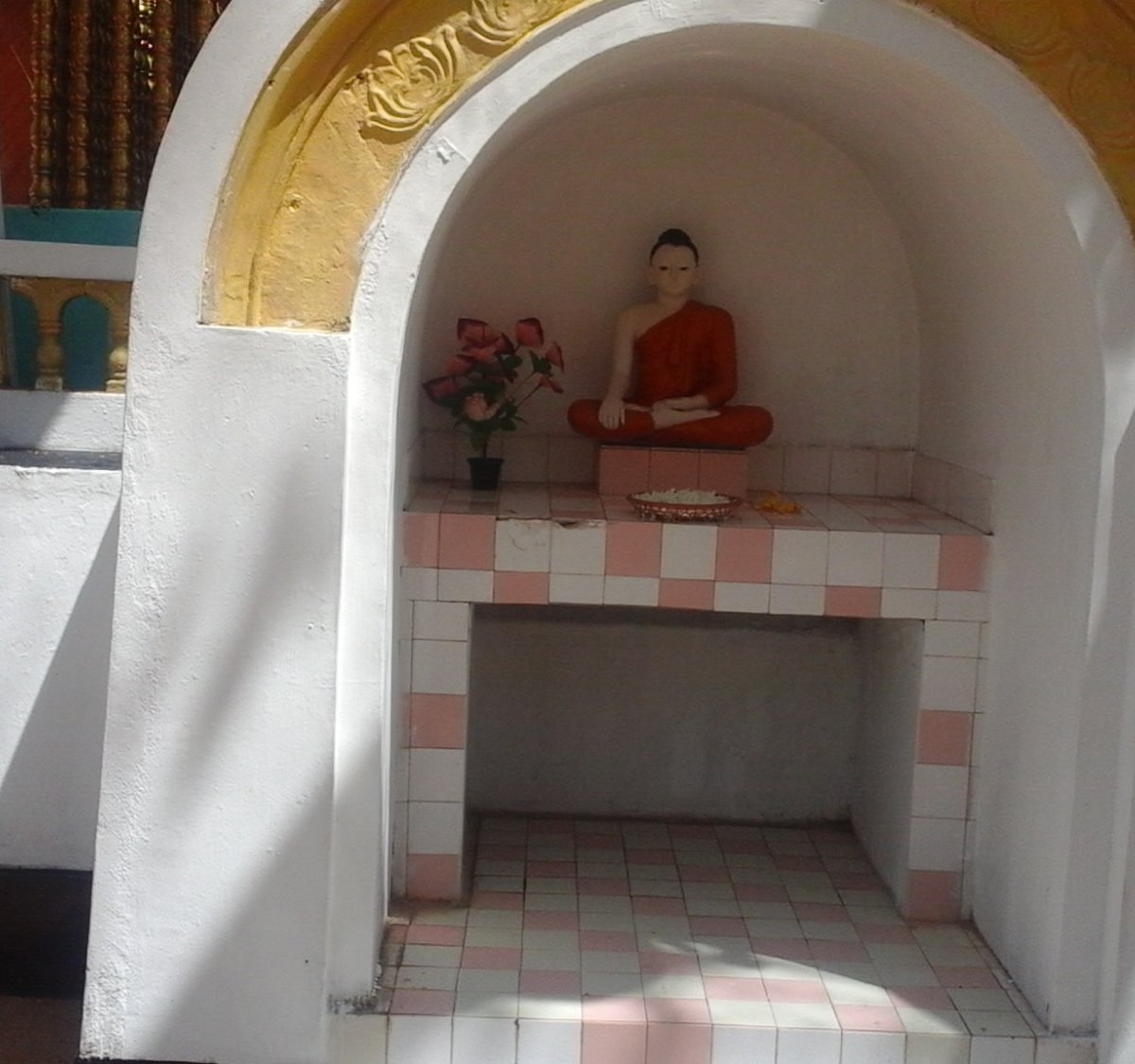
A small Buddhist temple, Kothduwa Raja Maha Viharaya, that's been standing on its own islet since the 1860s, long before any boat tour existed. Shoes off at the steps, and it's worth actually slowing down for instead of photographing on the way past.

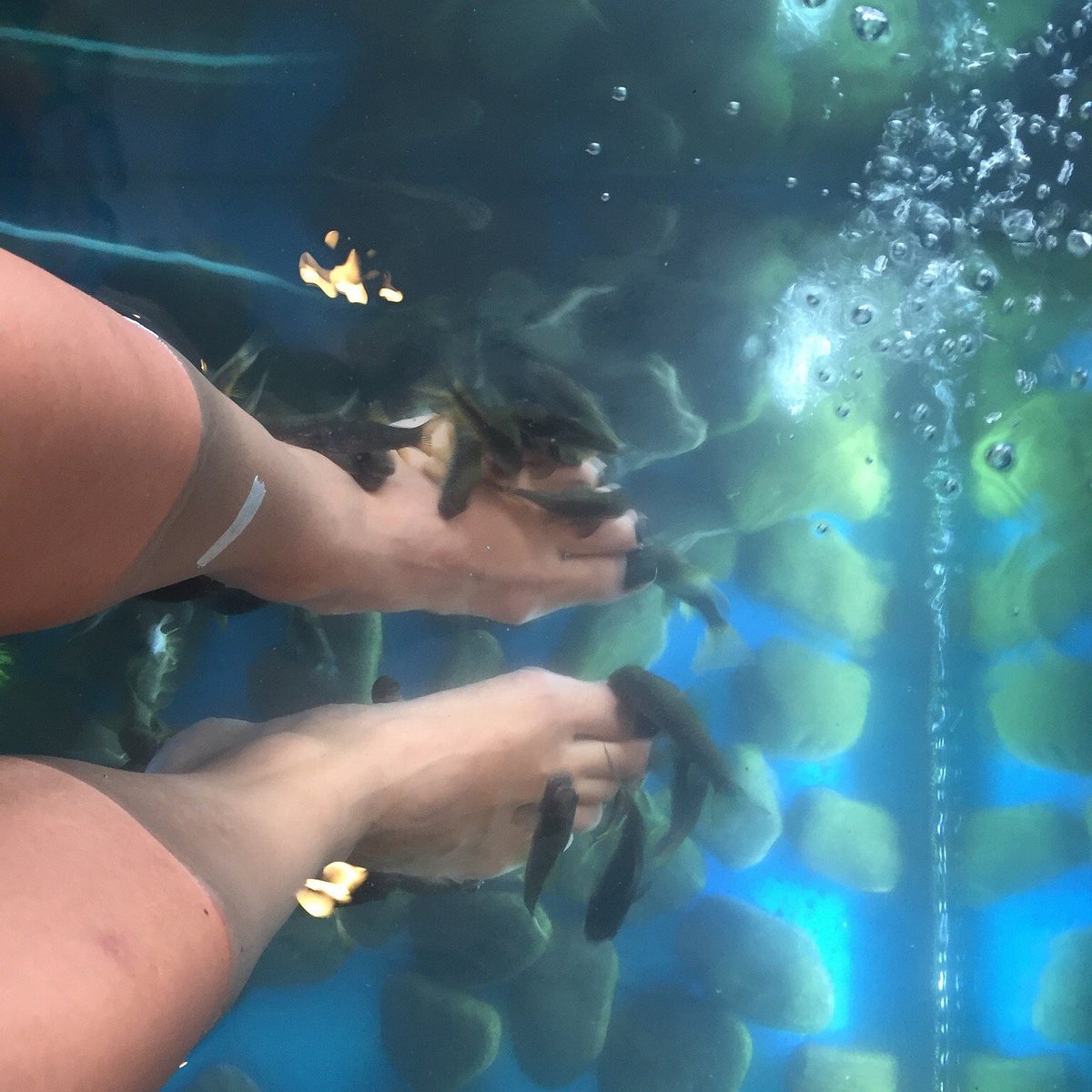
Hundreds of small Garra rufa nibble the dead skin off your feet. Same species used in fish spas everywhere, except here it's a floating pontoon on an actual river instead of a shopping mall. First thirty seconds feel strange, then it's just funny. Pretty much everyone ends up laughing by the time you climb back into the boat.

UNESCO World Heritage Site with Dutch colonial architecture, boutique shops, and ocean ramparts. A perfect half-day excursion.
Golden sand beach sheltered by a bay. Consistently rated among the best beaches in the world. Great for swimming.
Surfing hotspot and coral reef sanctuary. Glass-bottom boat rides, sea turtle hatchery, and vibrant nightlife.
Famous for traditional mask carving and the Ariyapala Mask Museum. A living craft tradition spanning centuries.
2.5h by express train to Koggala station
3h by bus (E01 Southern Expressway)
2h by car via E01 expressway
1h by coastal train
45min by tuk-tuk along A2
40min by car
30min by tuk-tuk
25min by train
20min by car
20min by tuk-tuk
15min by train
15min by car
November to April (dry season) offers the calmest water and clearest skies. Mornings 6–9 AM have the best light and most active wildlife.
Reef-safe sunscreen, wide-brim hat, camera, water bottle, dry bag for electronics, and sandals you don't mind getting wet.
Golden hour (6–7 AM) gives the best mangrove tunnel shots. Bring a waterproof case or dry bag. Phone cameras work great in the tunnel shade.
Life jackets provided for all passengers and required for children under 12. Channels are shallow and sheltered — this is not open water.
Sri Lankan Rupee (LKR). ATMs available in Koggala town. We accept cash and card on the day. No advance payment required.
Remove shoes at Kothduwa Temple. Cover shoulders and knees when visiting. A small donation at the temple is customary.
We plant 1 mangrove sapling for every 100 bookings. Every trip on the Madu Ganga leaves the river cleaner than we found it.
Provided for every seat on board. Mandatory for children under 12 and non-swimmers.
Entire route stays in sheltered, shallow channels. Average depth under 2m. This is not open ocean.
Every boat carries a first aid kit, fire extinguisher, and emergency communication device.
Tourist Board approved operator with full passenger liability insurance coverage.

One of the islands in the Madu Ganga, Cinnamon Island is a living demonstration of Sri Lanka's centuries-old cinnamon trade. The islanders invite you ashore to watch them peel, dry, and roll cinnamon quills by hand — the same way their grandparents did. You can smell the bark from the boat before you even land. The cinnamon here is Ceylon cinnamon (Cinnamomum verum), the true cinnamon, not the cassia found elsewhere. A small packet makes a perfect souvenir.

The Kothduwa Temple sits on its own small island in the middle of the river — a Buddhist shrine reached only by boat. Fishermen have been coming here for generations to bless their nets before heading out. The temple's quiet compound, shaded by bo trees, feels centuries away from the modern world even though it's just minutes from the main river channel. You'll typically stop for 15–20 minutes; shoes off, voices low, and a small donation is customary.

The mangrove tunnel is the signature moment of every Madu Ganga safari — your boat glides under a natural canopy of tangled rhizophora roots, leaves brushing both sides, with just enough clearance to pass. It's quiet, cool, and slightly otherworldly. The Madu Ganga has 14 mangrove species, one of the highest counts in Sri Lanka. These mangroves protect the coast, filter the water, and shelter juvenile fish and birds. Going through slowly (the boatman always does) gives you the best chance of spotting monitor lizards, kingfishers, and maybe a cormorant fishing.

One of the Madu Ganga's most popular stops is the fish massage — you dangle your feet off the boat or a platform into the water, and hundreds of tiny garra rufa fish nibble at your skin. It tickles at first (expect laughter), then it becomes a gentle micro-exfoliation that leaves your feet surprisingly smooth. The fish are wild, not imported, and they're doing what they naturally do — eating dead skin and algae. Most safaris include a 10–15 minute fish spa stop. It's not extra; it's part of the route.
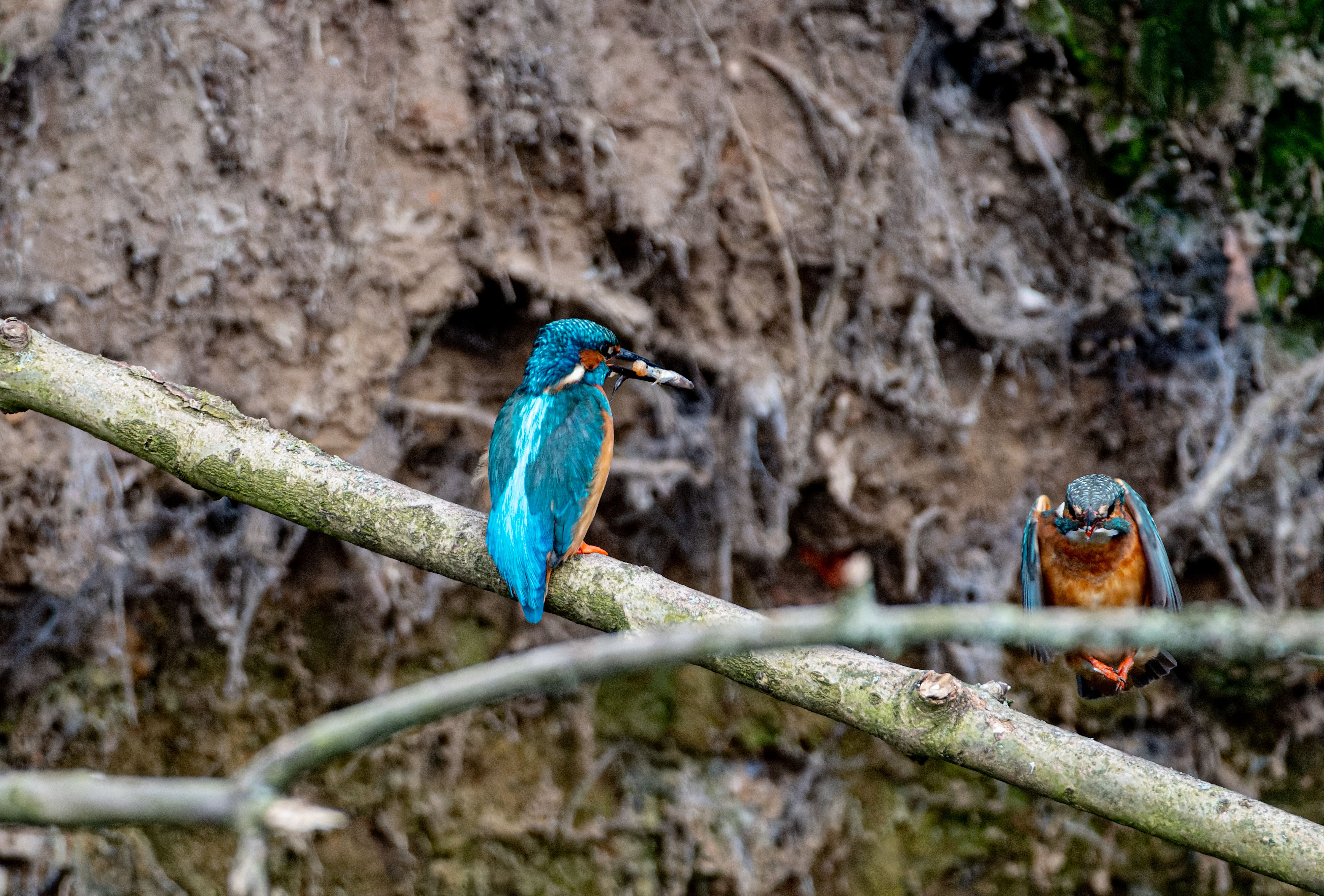
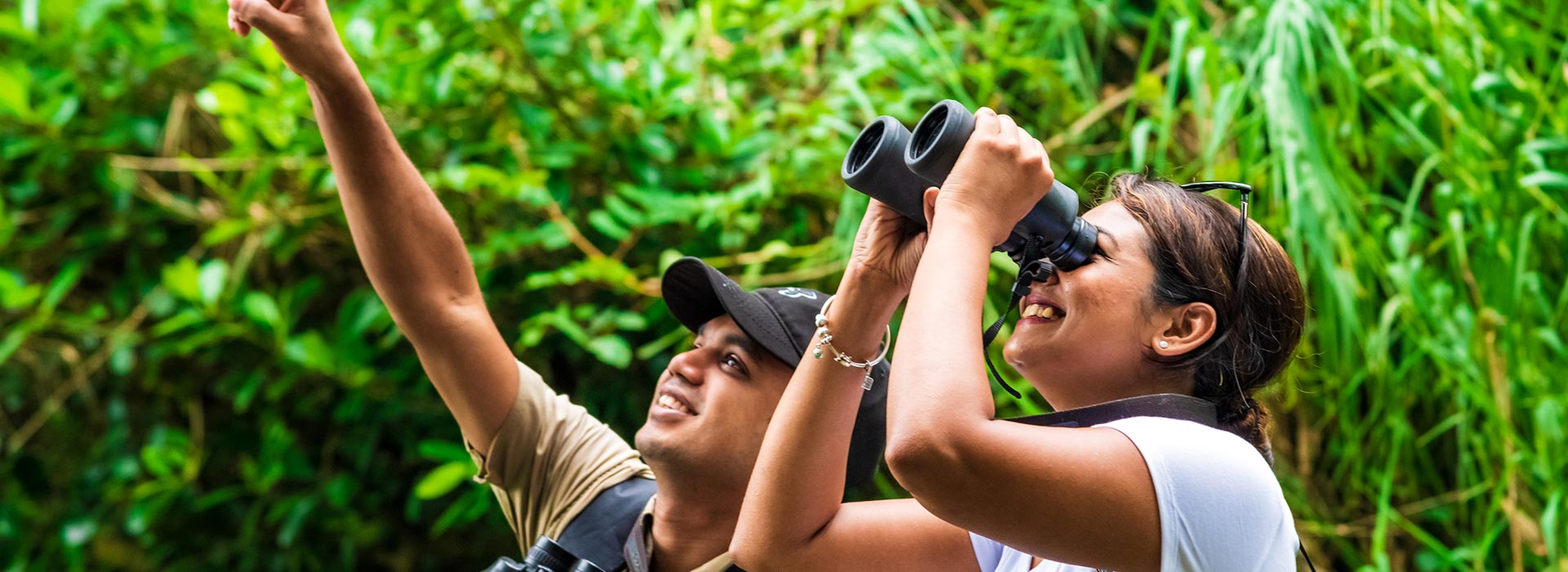
Multiple species — common, stork-billed, and pied kingfishers hunt along the channels.
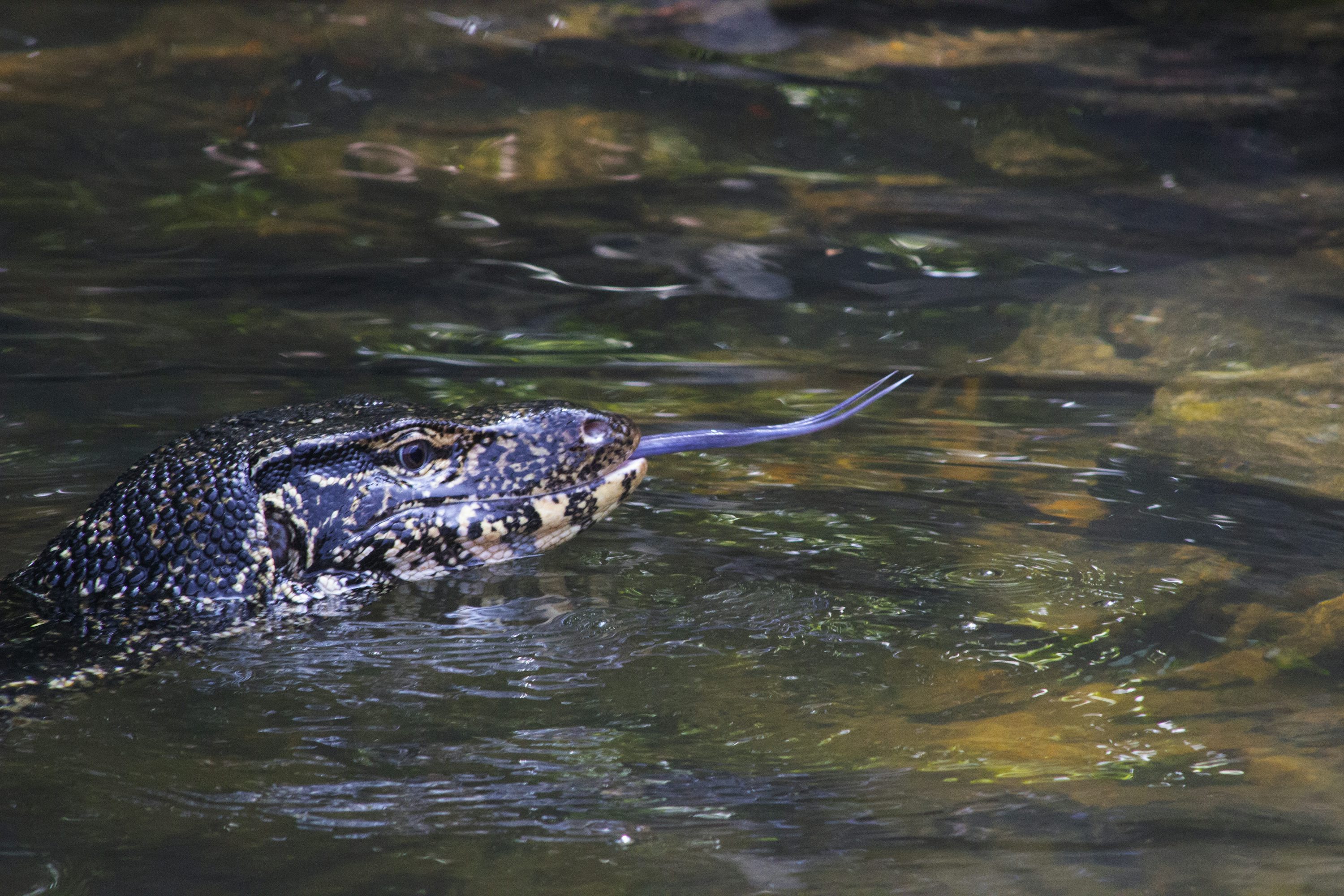
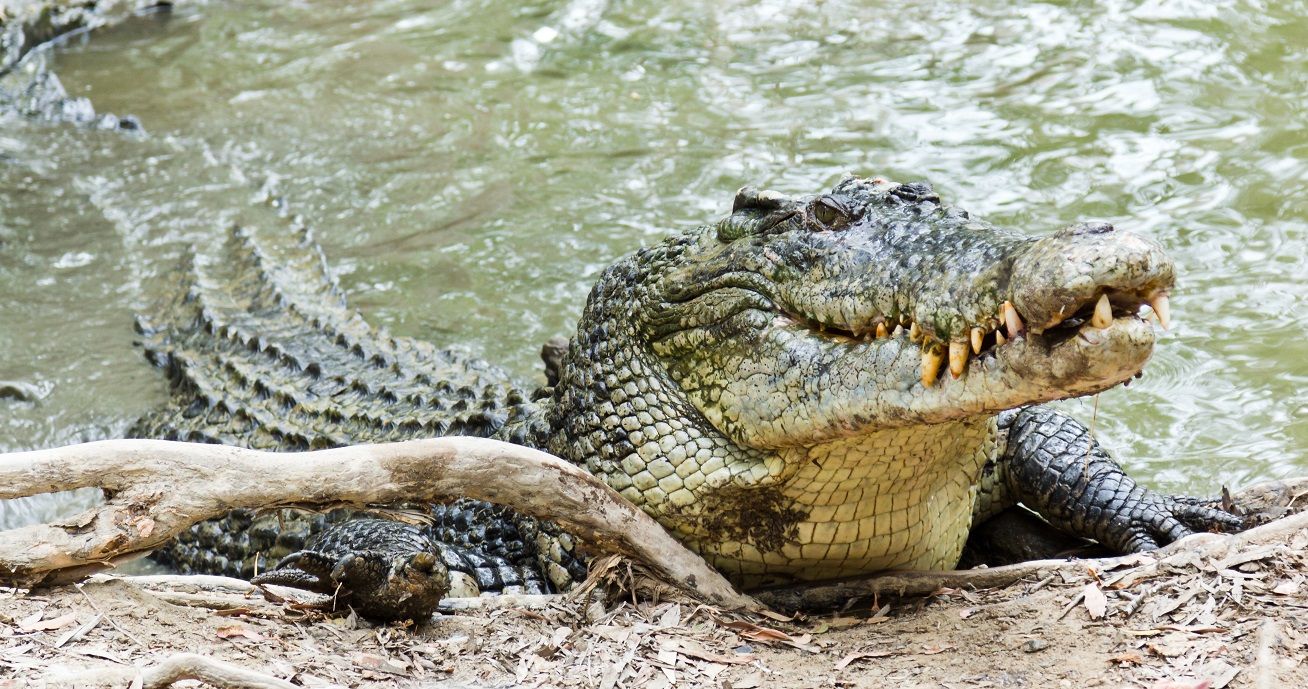
Asian water monitors up to 1.5m bask on roots and swim alongside the boat.
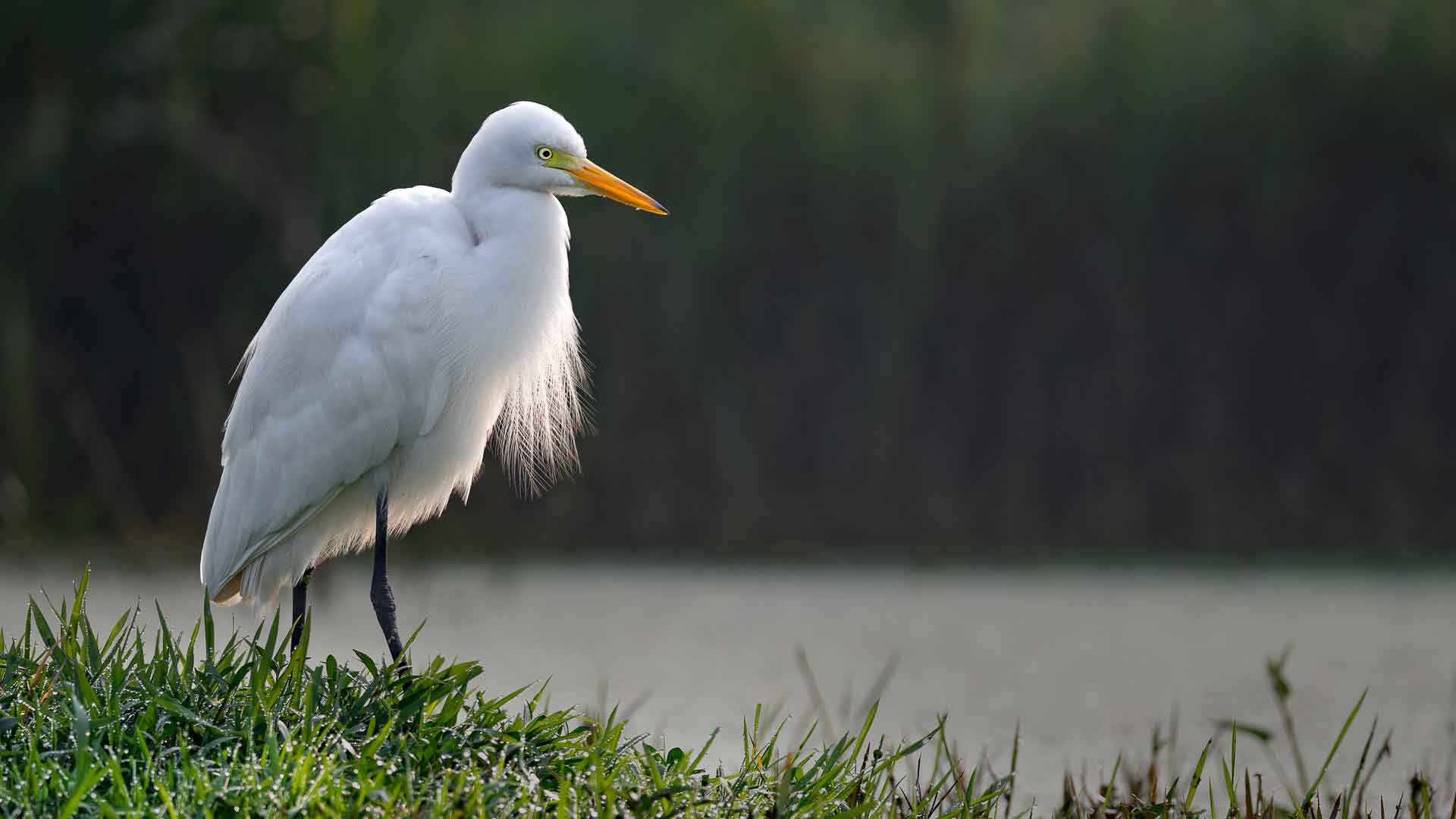
Large colonies of cormorants and egrets nest in the mangrove canopy.
248+ species recorded in this Ramsar wetland since 2003.
At the fish spa stop, you can buy small food packets to feed the fish directly. Kids love it — and the fish definitely do too.
Nothing gets fed or baited to show up on cue. Some mornings you'll see a water monitor sunning itself on a root ten feet from the boat; other mornings, just birds and boat wake. Researchers have logged around 248 vertebrate species across this wetland, and we'd rather tell you the honest odds upfront than oversell any one sighting.


We run trips daily from 6:00am to 6:00pm. Morning slots go first, since the light's better and the animals are more active before the heat sets in.
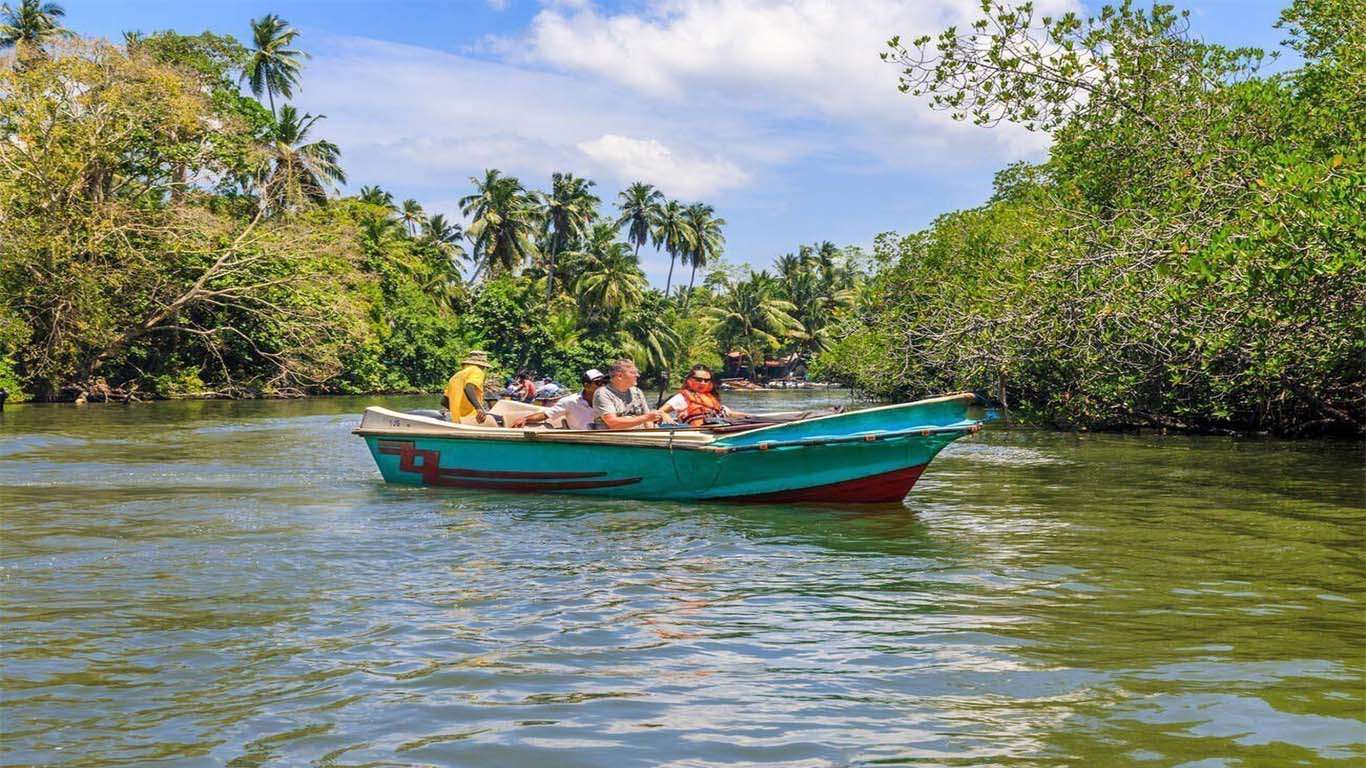
Each boat seats up to 12 people. Your booking is for a private boat — just your group, no sharing with strangers.
Life jackets are provided for every seat and required for children. Boats stay in shallow, sheltered channels the whole way. This isn't open water.
Sun hat, reef-safe sunscreen, a change of clothes if you're doing the fish spa, and a dry bag for your phone. Sandals you don't mind getting wet.
Trips run rain or shine, since the mangrove tunnel is sheltered either way. Boats pause only in genuinely rough weather, and we'll always call ahead to reschedule.
Pay on the day, cash or card. Free rescheduling up to 24 hours out: just message us on WhatsApp and we'll sort a new slot.
Perfect for birthdays, anniversaries & holidays. The recipient gets a private boat safari on the Madu Ganga — a gift they'll actually remember.
Book as giftYes. The channels are calm and sheltered, and life jackets are required for anyone under 12. The Madu Ganga Safari covers all four stops at a comfortable pace suitable for families.
The Madu Ganga Safari is a private boat experience — just you and whoever you're travelling with, up to 12 people. No sharing with strangers.
Trips go ahead in light rain, since most of the route is under canopy anyway. In genuinely rough weather we'll call or message you before your slot to reschedule, no charge.
Yes, the fish spa is included in the Madu Ganga Safari. It's one of the four stops on the route and takes about ten minutes — a highlight for most visitors.
Yes. Madu Ganga is a real river system at Koggala, and it's the setting Martin Wickramasinghe drew on for his 1947 novel. It became a Ramsar-protected wetland in 2003, so the mangroves you'll paddle through are the same ones the book describes, just under more formal protection now.
Martin Wickramasinghe's novel brings the islands to literary fame.
Declared a Wetland of International Importance under the Ramsar Convention.
Boat safaris begin operating regularly, offering guided tours through mangrove tunnels.
Community-led mangrove replanting programs expand across the wetland.
Madolduwa launches licensed, eco-friendly boat tours with online booking.
LKR 5,000 per private boat
Koggala, Southern Province, Sri Lanka
~45 min by car along A2 coastal road
~2 hrs via Southern Expressway (E01)
Daily 6:00 AM – 6:00 PM
We're open daily, 6am to 6pm. Tell us roughly when you'd like to go and how many people are coming, and a boatman will confirm a time that works with the tide. Mornings fill up first, so a few days' notice helps.
Your booking ID is:
Save this ID to check your booking status.
Confirm on WhatsApp
Leave a comment
Been on the trip? Say what stood out — good or not.